
Reviews
Block Stack Summit Challenge turns a simple idea into an engaging group activity. The core loop of placing blocks and jumping upward is easy to grasp but offers depth through resource management and coordination. Playing with friends adds a social dynamic that makes reaching the top feel like a real achievement. The clean visuals and lack of time pressure allow for thoughtful play. It is a solid choice for anyone who enjoys puzzles that require both strategy and precision.
Description
Building Your Path Upward
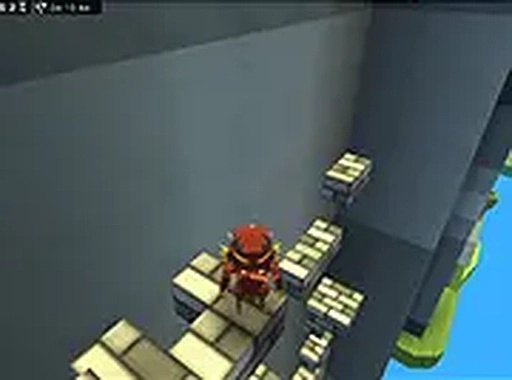
At its heart, this game asks players to construct a series of platforms using blocks. Each block must be placed with care, as the next jump depends on a stable surface. The challenge lies in choosing where to put each piece while maintaining balance. As the tower grows, the risk of a misstep increases, making every decision count. This mechanic creates a satisfying loop of planning, building, and climbing that keeps sessions engaging.
Cooperative Climbing Dynamics
Playing with others adds a layer of coordination. Teams can assign roles, with one player focusing on block placement while another scouts the best path. Communication becomes key when the mountain gets steep. Friends can help each other by creating shared platforms or signaling when to jump. This social element turns a solitary puzzle into a shared achievement, where success depends on group effort.
Strategic Block Management
Blocks are not infinite. Players must collect them along the way, deciding when to gather more and when to push upward. This resource management aspect forces strategic thinking. Do you build a safe, wide staircase that uses many blocks, or a narrow, risky tower that conserves materials? Each approach has trade-offs, and the best strategy often changes based on the terrain and the number of players.
Precision Jumping and Timing
Success also hinges on precise movement. Leaps must be timed to land squarely on newly placed blocks. A mistimed jump can send a player tumbling down, undoing progress. The game rewards patience and practice, as players learn the rhythm of placing and jumping. This timing element adds tension, especially near the summit where every move matters.
Visual and Interface Design
The game uses a clean, blocky visual style that makes it easy to see where to place the next piece. Colors help distinguish between safe platforms and empty gaps. The interface is minimal, with controls that are simple to learn. A full-screen option helps players focus on the climb without distractions. This straightforward design keeps the attention on the puzzle itself.








03 Comments
Sign in to comment
You must be logged in before posting a review or rating.
No account? Create one
No comments yet. Be the first to comment!